

Capturing the early moments of your newborn’s life is a precious opportunity to preserve memories that will last a lifetime. But how do you determine the ideal time for newborn photos? And how late is too late to capture those precious moments? Let’s explore the importance of timing in newborn photography and uncover the truth behind common beliefs.
- Timing is crucial in newborn photography to capture the early moments of your baby’s life.
- There is a two-week window considered optimal for posed newborn portraits.
- Understanding the stages of a newborn photography timeline can help you plan your photo sessions.
- Unexpected circumstances or challenges can cause families to miss the ideal time for newborn photos, but there are alternative options available.
- Photographing older newborns can still result in beautiful and meaningful images.
The Significance of the Two-Week Window in Newborn Photography
Newborn photography is a precious way to capture those early moments of your baby’s life. To ensure the best results, photographers often emphasize the importance of capturing newborns within the first two weeks after birth. This two-week window holds great significance in the world of newborn photography, allowing photographers to create beautiful and timeless portraits of your little one.
Optimal Conditions for Posed Newborn Portraits
During the first two weeks of life, newborns exhibit certain characteristics that make them ideal subjects for posed newborn portraits. Babies at this stage tend to sleep deeply, allowing photographers to position and pose them with ease. They are also more likely to curl up naturally, mirroring the fetal position they were in while in the womb. These optimal conditions result in serene and intimate photographs that capture the innocence and vulnerability of your newborn.
Why Newborn Photographers Prefer The Early Days
Capturing newborns in the early days provides numerous benefits that contribute to the overall success of the photo session. Firstly, newborns are more likely to be in a deep sleep during this time, which allows photographers to achieve those adorable, posed shots without disturbing their slumber. Additionally, babies at this stage tend to have fewer skin issues or rashes, making it easier to capture their flawless and delicate features.
The early days also present an opportunity to capture the unique details that change rapidly as your baby grows. From the tiny curls of their fingers and the soft folds of their skin to their tiny button noses and delicate eyelashes, these details are most noticeable during the first two weeks, creating stunning photographs that will be cherished for a lifetime.
By scheduling your newborn photography session within the two-week window, you can ensure that these remarkable moments and details are perfectly documented, allowing you to look back on them in the years to come.
In the next section, we will explore the different stages of the newborn photography timeline and how they can influence the ideal timing for capturing your baby’s precious moments.
Understanding Your Newborn Photography Timeline
When it comes to capturing those precious newborn moments, timing is everything. Understanding the newborn photography timeline can greatly influence the quality and outcome of your baby’s first portraits. From the earliest days to the first few weeks, each stage of a baby’s life presents unique opportunities and challenges for photographers.
One of the key factors in determining the ideal time for newborn photos is the baby’s age. Capturing those precious early moments requires careful planning and consideration. The newborn photography timeline typically spans from the first few days after birth up to two weeks.
During the first few days, newborns are typically more sleepy and easier to pose, making it the perfect time for capturing those curled-up shots. They are also more likely to still have their umbilical cord stub, which adds a unique touch to the images. Additionally, babies at this stage tend to have clear, smooth skin and fewer skin imperfections.
As the first week progresses, babies become more alert and responsive, which can lead to adorable and engaging expressions. It’s during this time that photographers can capture the baby’s emerging personality and the bond between the baby and parents.
Between the 5th and 14th day, newborns enter a stage known as the “moldable” period. During this time, they still retain some flexibility and can be posed into those adorable curled-up positions that are characteristic of newborn photos. This stage offers photographers the best opportunity to capture the classic, posed newborn portraits that families cherish.
Understanding the newborn photography timeline and the stages of a baby’s early life can help you make informed decisions about when to schedule your photo session. Remember, each stage offers its own unique beauty and precious moments to capture.
Reasons Families Might Miss the Optimal Newborn Photo Period
In the journey of newborn photography, there are instances when families may miss the ideal time frame to capture those precious moments. Let’s explore some reasons that can contribute to this missed opportunity.
Unexpected Hospital Stays and Health Considerations
One possible reason for missing the optimal newborn photo period is when a baby or a family member experiences unexpected hospital stays. Health considerations can arise, requiring extended hospitalization and limiting the availability for a newborn photography session. These circumstances, although unforeseen, can significantly impact the timing of capturing those early moments.
Challenges In Pre-Birth Planning and Scheduling
Another challenge families may face is pre-birth planning and scheduling. The arrival of a newborn can be unpredictable, making it difficult to book a photographer within the recommended time frame. Factors such as premature births or delivery complications may result in rescheduling or missing the optimal window for newborn portraits.
Despite these challenges, it’s important for families to remember that there are still opportunities to capture beautiful moments even if the ideal time frame has passed. Skilled photographers can work with older newborns and create stunning portraits that reflect their unique personalities.
How Late Is Too Late for Newborn Pictures?
While it’s true that the ideal time for newborn photos is within the first two weeks, it doesn’t mean that capturing beautiful moments with older babies is impossible. Timing for newborn photoshoots can vary depending on various factors. Although the early days are typically preferred by newborn photographers, there are still options available for parents interested in capturing newborn moments beyond the initial window.
Capturing newborn moments is a precious way to preserve memories of your little one’s earliest days. These moments are fleeting, and having professional photographs allows you to cherish them for a lifetime. So, how late is too late for newborn pictures? Let’s explore the different options:
- If you missed the two-week window, you can still schedule a photoshoot within the first month. Babies at this stage may be more awake and alert, but photographers can capture their unique personality and expressions.
- As your baby grows, they start developing more defined features and becoming more interactive. A photoshoot around 6–8 weeks can capture their emerging smiles and engaging expressions.
- If your baby is older than two months, you can consider a lifestyle newborn photography session. This style focuses on capturing candid moments at home, showcasing the love and connection between your family.
- Embracing your baby’s growth and capturing milestones beyond the newborn stage can also create precious memories. Photographers experienced in older newborn sessions can still capture beautiful moments as your baby develops.
Remember, while it’s ideal to capture newborn photos within the first two weeks, there are still opportunities to document your baby’s journey throughout their early months. The most important thing is to find a photographer experienced in capturing newborn moments at different stages. They will understand how to make each photoshoot unique and treasurable.
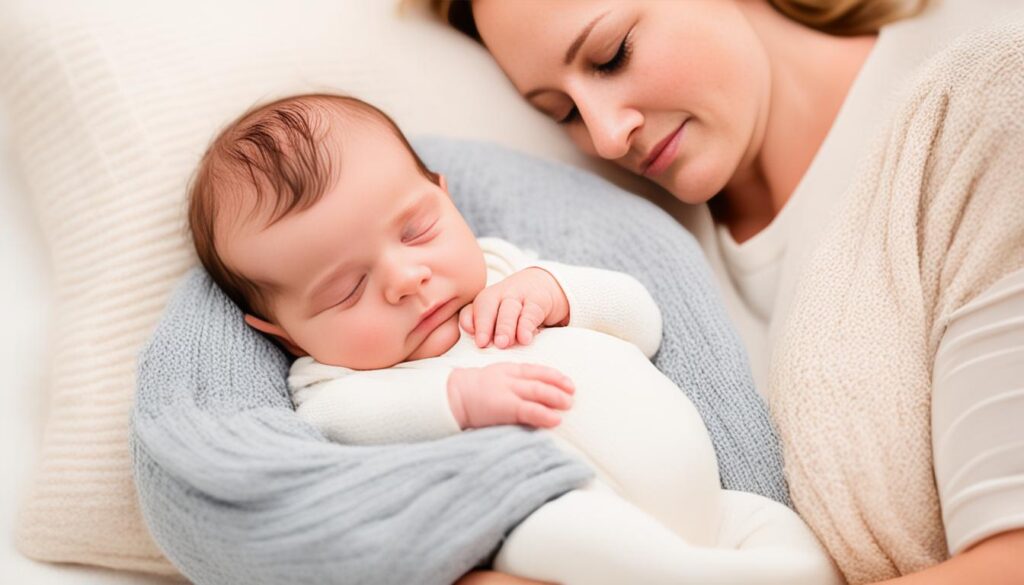
Alternative Newborn Photo Options Beyond the Ideal Age
In addition to capturing those precious early moments, there are alternative options for newborn photos beyond the ideal age. While it’s recommended to photograph newborns within the first two weeks, there are still opportunities to create beautiful and meaningful images as your baby grows.
Lifestyle Newborn Photography: Capturing Life at Home
Lifestyle newborn photography is a popular alternative to posed newborn portraits. This style focuses on capturing natural and candid moments in the comfort of your own home. It embraces the unique environment and atmosphere of your baby’s nursery, living spaces, and family interactions. Lifestyle newborn photography allows for a more relaxed and authentic representation of your family dynamic, showcasing the love and connection between parents and their little one.
Waiting a Bit Longer: Embracing Baby’s Growth
Another alternative option is to wait a bit longer and embrace the growth of your baby. As they develop their personality and reach new milestones, capturing these moments in photographs can be incredibly special. From their first smiles to their attempts at crawling, each stage of your baby’s growth is worth preserving. By waiting a bit longer for your photo session, you can document their emerging personality and unique characteristics, creating a timeless collection of memories.
Scheduling Flexibility: The Case of Preemies and Multiples
In the world of newborn photography, scheduling is key. However, when it comes to preemies and multiples, flexibility is a must. These special babies may have different needs and timelines, requiring photographers to adjust their approach to ensure a successful and safe photoshoot.
The Extended Window For Earlier Born Babies
For preemies, the ideal time for a newborn photoshoot may be different than that of full-term babies. These tiny miracles often require extra care and time to reach certain developmental milestones. As a result, photographers often extend the window for capturing their earliest moments, allowing these babies to grow and thrive before capturing their precious images.
It’s important to work closely with parents and healthcare professionals to determine the best timing for the photoshoot. By doing so, photographers can ensure the safety and comfort of the preemie, while still capturing those precious early moments.
Special Considerations for Twins and Multiplets
Photographing twins and multiplets brings its own set of challenges and considerations. These little bundles of joy often have their own unique schedules, personalities, and needs. Photographers must be prepared to adapt their techniques to accommodate multiple subjects simultaneously and capture the beautiful bond between siblings.
When photographing twins and multiplets, it’s essential to allocate ample time for the session. Patience is key, as these babies may require additional soothing or feeding breaks. By allowing for flexibility in the session, photographers can capture the magic of these special relationships and create lasting memories for the families.
In conclusion, scheduling flexibility is crucial when it comes to preemies and multiples in newborn photography. By understanding the extended window for earlier born babies and considering the unique needs of twins and multiplets, photographers can ensure a successful and memorable photoshoot. The key is to prioritize the safety, comfort, and well-being of these special babies while capturing their precious moments in time.
Newborn Photography Beyond Two Weeks: What to Expect
Capturing the precious moments of your newborn doesn’t have to be limited to the first two weeks. While the early days are ideal for achieving those classic posed newborn portraits, there are still plenty of beautiful moments to capture as your baby grows. In this section, we will explore what to expect when photographing older newborns and provide tips for ensuring a successful photo session.
When photographing older newborns, it’s important to adjust your expectations and approach. Unlike younger newborns who tend to sleep for long periods, older babies are more alert and may not easily settle into certain poses. Embrace their curiosity and capture their unique personality and expressions.
An advantage of photographing older newborns is the opportunity to capture milestones and interactions. At this stage, your baby may begin to make eye contact, smile, or even attempt tummy time. These moments can add depth and meaning to your newborn photos.
During an older newborn photo session, it’s essential to create a comfortable and relaxed environment. Be flexible and follow your baby’s cues. If they need a break or a feeding, allow for those moments. It’s important to prioritize your baby’s needs to ensure they are happy and content throughout the session.
When selecting poses and props, consider options that accentuate your baby’s growth and development. Incorporate props that represent their hobbies, interests, or family traditions. By personalizing the photo session, you can capture their unique story and create meaningful images.
Lastly, remember that every baby is different, and their development will vary. Don’t compare your baby’s photos to those of younger newborns. Embrace the beauty of their distinct stage and capture the moments that make your baby special.
When to Book Your Newborn Photography Session
Booking your newborn photography session at the right time is crucial to ensure you capture those precious early moments with your baby. Here are some essential tips to help you navigate the scheduling process and secure the services of a professional photographer.
Preparing Ahead: Scheduling During Pregnancy
It’s never too early to start thinking about booking your newborn photography session. To ensure availability, it’s recommended to start your search and reach out to photographers during your pregnancy. Many photographers have limited slots each month, and their schedules fill up quickly, so it’s best to plan ahead.
During your pregnancy, take the time to research different photographers in your area. Look through their portfolios, read reviews, and find someone whose style and artistic vision align with your preferences. Once you’ve found a photographer you love, reach out to them and discuss their availability for the time frame you have in mind.
Understanding Photographer Availability and Lead Times
Photographer availability and lead times can vary, so it’s essential to have a clear understanding of their booking process. Some photographers may only book a certain number of sessions per month, while others may have more flexibility. Discussing this with the photographer will allow you to determine the best time to secure your session.
Lead times are also an important consideration. Some photographers may require booking several weeks or even months in advance. This is especially true for in-demand photographers or during peak seasons. By understanding lead times, you can better plan when to reach out and book your session.
Remember, each photographer is unique, so it’s essential to communicate directly with them to ensure you have a clear understanding of their availability and lead times. By planning and booking ahead, you can secure the services of your preferred photographer and ensure you don’t miss out on capturing those precious newborn moments.
How Growth and Development Influence Newborn Photo Styles
In the world of newborn photography, capturing the growth and development of babies is not only a way to preserve precious memories but also an opportunity to showcase unique photo styles. As newborns grow and reach important milestones, their physical features, expressions, and interactions evolve, influencing the overall aesthetic of their photographs.
One key aspect of newborn photography is capturing the various stages of growth. From the early days when babies are curled up and sleepy to the later weeks when they start to stretch and explore their surroundings, each phase presents its own charm and opportunities for creative composition. Photographers can leverage these stages to create a visual narrative that tells the story of a baby’s journey into the world.
Another important element influenced by growth and development is the style of the newborn photos. As babies become more alert and responsive, photographers can capture their personalities and unique traits, resulting in images that reflect their individuality. From delicate close-ups of tiny fingers and toes to candid shots capturing their curiosity and joy, the evolving nature of babies allows for a diverse range of photo styles and artistic interpretations.
Milestones, both big and small, are an essential part of newborn photography. These special moments, such as the first smile, holding up their head during tummy time, or grabbing onto objects, symbolize the rapid growth and development of infants. Photographers skillfully document these milestones, freezing them in time and creating treasured keepsakes for families to cherish for years to come.
Endearing Photographic Moments Between Weeks 3 and 5
Between weeks 3 and 5, newborns begin to show their unique personalities, and capturing these precious moments through photography becomes even more exciting. This period marks an important milestone in newborn photography, offering opportunities to create beautiful and heartwarming images that showcase the growth and development of older newborns.
During this time, babies start to become more alert, make eye contact, and display adorable expressions. They also begin to show the first signs of their emerging personalities, making it a perfect moment to capture their individuality through the lens.
Photographing older newborns between weeks 3 and 5 allows you to document their growth and capture those endearing moments that make every parent’s heart melt. Whether it’s the charming smile, the tiny fingers gripping onto something, or the curious gaze, these photographic moments become treasured memories for families to cherish for a lifetime.
When photographing older newborns, it’s important to embrace their emerging personalities and natural interactions. Rather than focusing solely on posed portraits, consider incorporating lifestyle elements that reflect the baby’s environment and family dynamics. This approach creates authentic and heartfelt images that capture the essence of the newborn and their loving surroundings.
Don’t be afraid to experiment with different angles, lighting, and settings to capture the unique charm of older newborns. Whether it’s a close-up shot that highlights their tiny features or a candid moment that showcases their curiosity, these photographs hold a special place in the journey of newborn photography.
So, grab your camera, prepare to be amazed by the captivating moments between weeks 3 and 5, and capture those endearing photographs that will always remind you of the incredible journey of your little one’s early days.
The Journey from Newborn to Infant: Photography from Weeks 6 to 8
As your newborn transitions into an infant, capturing the moments between weeks 6 and 8 becomes a beautiful way to document their growth and development. During this stage, you’ll start to see your baby’s personality emerge, making it the perfect time to create lasting memories through photography.
Photographing your baby during this journey from newborn to infant allows you to capture the unique milestones and changes they experience. From their first smiles to their growing curiosity, these precious moments deserve to be preserved through the lens. By focusing on photography between weeks 6 and 8, you can freeze these remarkable moments in time.
To capture the transition from newborn to infant, it’s important to focus on their rapidly developing motor skills, social interactions, and emerging personality traits. Try photographing your baby during playtime, capturing them reaching for toys or interacting with their surroundings. These candid shots can beautifully convey their growing independence and curiosity.
Using natural light and minimalistic backgrounds can help emphasize your baby’s features, expressions, and overall growth during this stage. Opt for softer tones and neutral colors that complement your little one’s adorable features. Remember to keep the setting comfortable and safe, allowing your baby to move freely and explore their surroundings naturally.
By documenting the journey from newborn to infant, you’ll be able to cherish these fleeting moments for years to come. These photographs will serve as a reminder of how quickly your little one is growing and changing. Whether you choose to display them in a photo album, frame them on the wall, or share them with loved ones, these images will always hold a special place in your heart.
Conclusion
Choosing the right time for newborn photos is crucial to capturing those precious early moments. Throughout this article, we have explored the ideal time frame for newborn photography and the significance of the two-week window. We have also discussed alternative options for capturing newborn photos beyond the ideal age and the flexibility required for preemies and multiples.
It is important to remember that every baby is unique, and the right time for newborn photos may vary based on individual needs and preferences. Whether you choose to capture posed newborn portraits within the first two weeks or embrace the baby’s growth in later stages, the key is to enjoy and preserve the memories at any stage.

By understanding your newborn photography timeline and considering factors such as unexpected hospital stays, health considerations, and scheduling challenges, you can make an informed decision about the best time to book your newborn photography session.
Remember, the journey from newborn to infant is filled with unique moments and milestones. No matter when you capture those special photos, the love and joy of the newborn stage will always shine through.
FAQ
Is 7 weeks too late for newborn photos?
While the ideal time for newborn photos is within the first two weeks of life, it is still possible to capture beautiful images of your baby at 7 weeks old. At this stage, your little one may be more alert and have more developed features, resulting in unique and memorable photographs.
Can you do newborn photos at 5 weeks?
Although the optimal window for newborn photos has passed, it is still possible to capture precious moments with your baby at 5 weeks old. The images may showcase your little one’s growth and personality, providing a different perspective on their early days.
Is 2 weeks old too late for newborn pictures?
No, 2 weeks old is not too late for newborn pictures. In fact, this is still within the recommended timeframe for capturing those precious early moments. During this stage, babies are often more sleepy and can be easily posed, making it an ideal time for newborn photography.
Is 17 days too old for newborn photos?
While it is best to schedule newborn photos within the first two weeks, 17 days old is still considered a possible timeframe for capturing beautiful images of your baby. As they continue to grow and develop, you can still showcase their unique features and personality at this stage.
Is 3 weeks too late for newborn pictures?
Although it is recommended to schedule newborn pictures within the first two weeks, you can still capture special moments with your baby at 3 weeks old. This stage may showcase their growth and changing expressions, allowing you to create beautiful and meaningful photographs.
Can you do newborn photos at 2 months?
While newborn photography is typically done within the first few weeks of life, it is still possible to create beautiful images of your baby at 2 months old. At this stage, your little one may be more awake and alert, providing an opportunity to capture their personality and interactions.
Is 16 days too old for newborn photos?
No, 16 days is not too old for newborn photos. Although it is recommended to schedule the session within the first two weeks, you can still capture precious moments with your baby at this stage. The images may highlight their growing features and charm.
Is 5 weeks too late for newborn photos?
While the ideal timeframe for newborn photos has passed, 5 weeks old is not too late to capture beautiful images of your baby. At this stage, your little one may be more alert and interactive, allowing for candid and expressive photographs.
Is 3 months too old for newborn photos?
At 3 months old, your baby has likely outgrown the traditional newborn stage. However, this doesn’t mean it’s too late for memorable photos. You can capture their emerging personality and milestones, such as tummy time and smiles, to preserve precious memories.
Is 1 month too old for newborn pictures?
Although the optimal window for newborn pictures has passed, 1 month old is not too late to capture beautiful images of your baby. During this stage, your little one may be more alert and interactive, allowing for engaging and memorable photographs.
Is 6 weeks too old for newborn pictures?
While it is best to schedule newborn pictures within the first few weeks of life, 6 weeks old is still within a reasonable timeframe to capture precious moments with your baby. As they continue to grow and develop, you can document their milestones and emerging personality.
Is 8 weeks too old for newborn photos?
At 8 weeks old, your baby has likely outgrown the typical newborn stage. However, this doesn’t mean it’s too late for beautiful and meaningful photos. You can still capture their growth, personality, and emerging abilities, creating lasting memories to cherish.