
Newborn Photography Safety Guide
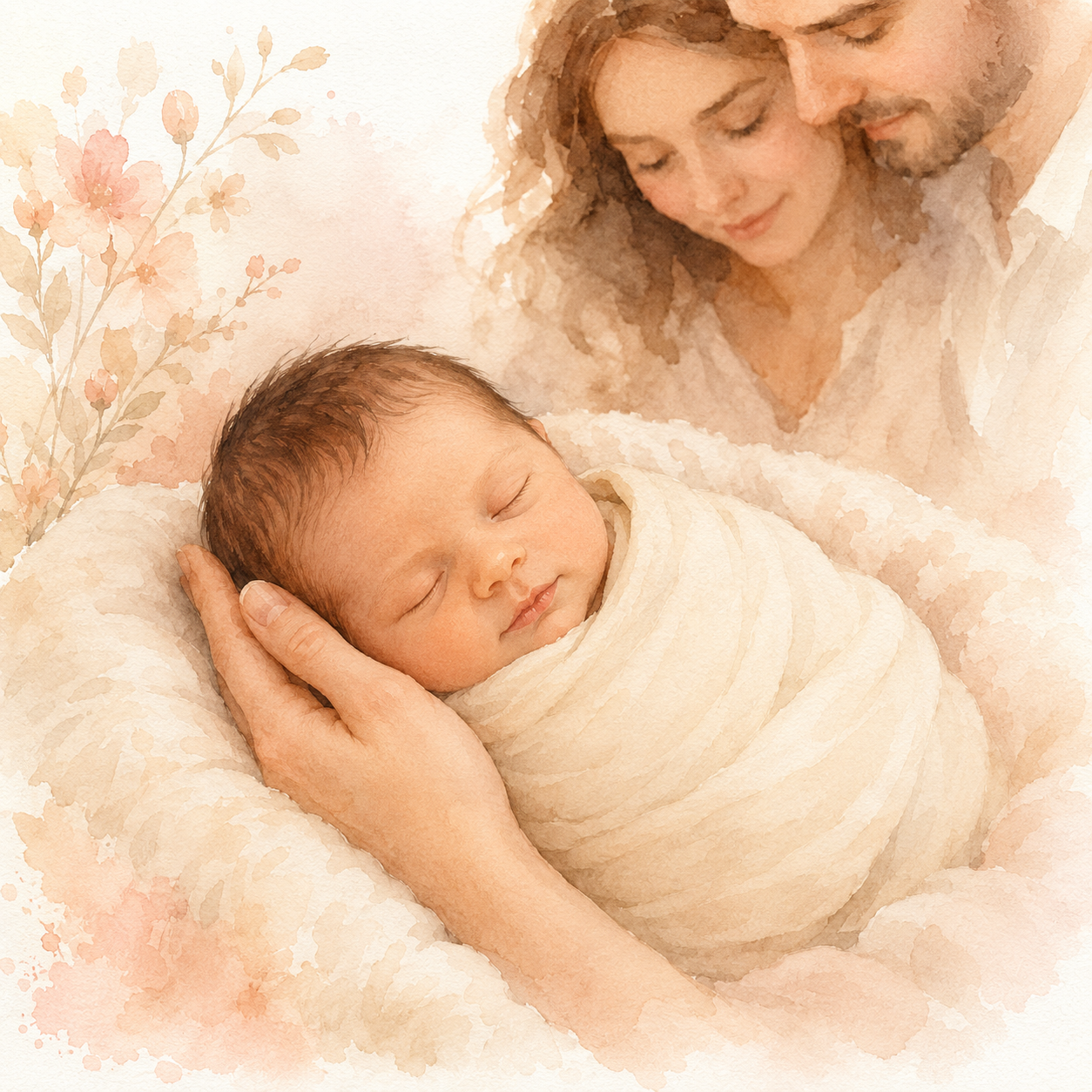
Newborn photography should feel calm, gentle, and safe from the first cuddle to the final photo. When your baby is this tiny, every little detail matters — how they are held, how they are wrapped, how their head is supported, and how much time they are given to settle.
This guide explains how safe posing, baby-led breaks, careful support, clean studio practices, and a patient approach help protect your little one during the session. It is here to help you feel informed before booking, especially if you are wondering what happens behind the scenes to keep newborn portraits soft, beautiful, and safe.
View Newborn Photography Sessions
Planning your baby’s first portraits? Learn more about our newborn photography experience in Port Moody.
Quick Answer: Is Newborn Photography Safe?
Yes, newborn photography can be safe when the session is handled by an experienced photographer who uses gentle posing, proper support, clean surfaces, warm room conditions, and a baby-led pace.
A safe newborn session never forces a baby into a pose. Your baby’s comfort, breathing, temperature, and body position should always come first.
That may sound simple, but it matters. Newborns are tiny, delicate, and still adjusting to the world outside the womb. They need patience. They need warmth. They need someone who understands when to pause, when to wrap, when to soothe, and when to simply say, “This pose isn’t right for this baby today.”
And that’s okay. The safest newborn photos are created when the baby leads the session, not the other way around.
Is Newborn Photography Safe?
Newborn photography is safe when it is done with experience, patience, and a deep respect for the baby’s comfort.
That is the key part: when it is done properly.
A newborn session is not just about cute props and sleepy poses. Behind every peaceful image, there should be careful positioning, soft support, clean fabrics, warm room conditions, and a photographer who knows how to read a baby’s cues.
A safe newborn photographer should never force your baby into a pose. They should never rush through a setup just to get a specific image. They should never place a baby in a position that affects breathing, circulation, body alignment, or comfort.
The baby always comes first.
If your little one needs to feed, the session pauses. If they need to be changed, the session pauses. If they fuss, stretch, sneeze, wiggle, or decide that today is absolutely not the day for a certain pose, the session adjusts.
That is normal. That is healthy. That is how newborn photography should work.
Parents should also feel comfortable asking questions. You are not being difficult by asking how a pose is done or whether your baby will be supported. You are being a parent. And honestly, that instinct is a beautiful thing.

Why the First Two Weeks Are Often Ideal
The first two weeks are often ideal because newborns are usually still adjusting to life outside the womb. They sleep often, curl naturally, and tend to settle more easily after feeding and cuddling.
This makes it easier to create those peaceful newborn portraits where your baby looks soft, cozy, and deeply relaxed.
During this stage, babies often still enjoy being wrapped. They may naturally tuck their legs close to their body, rest their hands near their face, and sleep through gentle posing. That helps create the dreamy look many parents imagine when they think of newborn photography.
But this does not mean every baby will sleep the whole time.
Some babies want more milk. Some need extra cuddles. Some have strong opinions for someone who only recently arrived on the planet. That’s why newborn sessions need time, patience, and flexibility.
At Artin Photography, newborn sessions are designed to move slowly. There is time for feeding, changing, soothing, and little pauses when baby needs a break. The session follows your baby’s rhythm instead of forcing your baby to follow a schedule.
Tiny reminder: Babies don’t follow calendars perfectly. The newborn timing window is helpful, but it should never feel stressful.
What Safe Newborn Posing Really Means
Safe newborn posing means every pose is built around the baby’s body, not the photographer’s wish list.
A newborn’s neck, head, spine, hips, and limbs all need gentle support. Babies are flexible, yes, but they are not props. Their bodies are still developing, and their comfort matters more than creating a “perfect” pose.
Safe posing usually includes:
-
Supporting the baby’s head and neck
-
Keeping the airway clear
-
Watching body position and breathing
-
Avoiding pressure on joints
-
Keeping hands and feet relaxed
-
Moving slowly between poses
-
Using soft, stable surfaces
-
Never balancing a baby unsupported
Some poses look effortless in the final image, but behind the scenes, they require a lot of care. A photographer may use small posing pillows, rolled blankets, gentle hand support, or parent assistance to keep the baby secure.
The final photo may look simple. The safety behind it should never be casual.
Tiny safety note: A beautiful pose is never more important than a comfortable baby.
That tiny sentence is worth remembering. If a baby resists a position, stiffens, cries, or seems uncomfortable, the answer is not to “try harder.” The answer is to change the pose, wrap the baby, offer a break, or move into something more natural.
Some of the sweetest newborn photos happen when everyone stops chasing the exact plan and lets the baby settle into their own little rhythm.
Why Baby-Led Newborn Photography Matters
Baby-led newborn photography means the session follows your baby’s cues.
There is still a plan — lighting, wraps, gentle posing, and a calm flow — but the baby gets the final vote. If your baby is hungry, they feed. If they need to be held, they are held. If they are wide awake, the session can shift toward natural portraits and parent cuddles.
Your baby does not need to “behave” for the camera. Feeding breaks, diaper changes, stretches, yawns, and little protests are all part of photographing real newborns.
This slower pace also supports safety. It gives the photographer time to notice body position, breathing, temperature, and comfort before moving forward.
And often, that patience leads to softer, more meaningful photos.
Helpful Newborn Photography Guides for Your Next Step
Once you understand the best timing for newborn photos, the next questions are usually about preparation, safety, pricing, style, and whether the studio works for your location. These guides can help you plan the rest of your newborn session with a little more confidence — and a little less guesswork.
Simple tips for what to bring, how to dress baby, and how to keep the session calm.
Learn the best time for newborn photos and what to do if baby arrives early or late.
Understand newborn photography package options, pricing factors, and overall value.
Explore cozy poses, parent photos, sibling portraits, wraps, props, and sweet details.
Newborn Photography Locations Served
See options for families in Port Moody, Coquitlam, Burnaby, Vancouver, Surrey, and nearby areas.
Newborn Poses That Need Extra Care
Some newborn poses need more care than others.
This does not mean they are bad poses. It simply means they should be done safely, slowly, and only when they are right for the baby.
Popular poses that often require extra attention include:
- Froggy pose
- Chin-on-hands pose
- Tushie-up pose
- Side-lying poses
- Wrapped poses in props
- Basket or bowl setups
- Sibling portraits
- Parent holding images
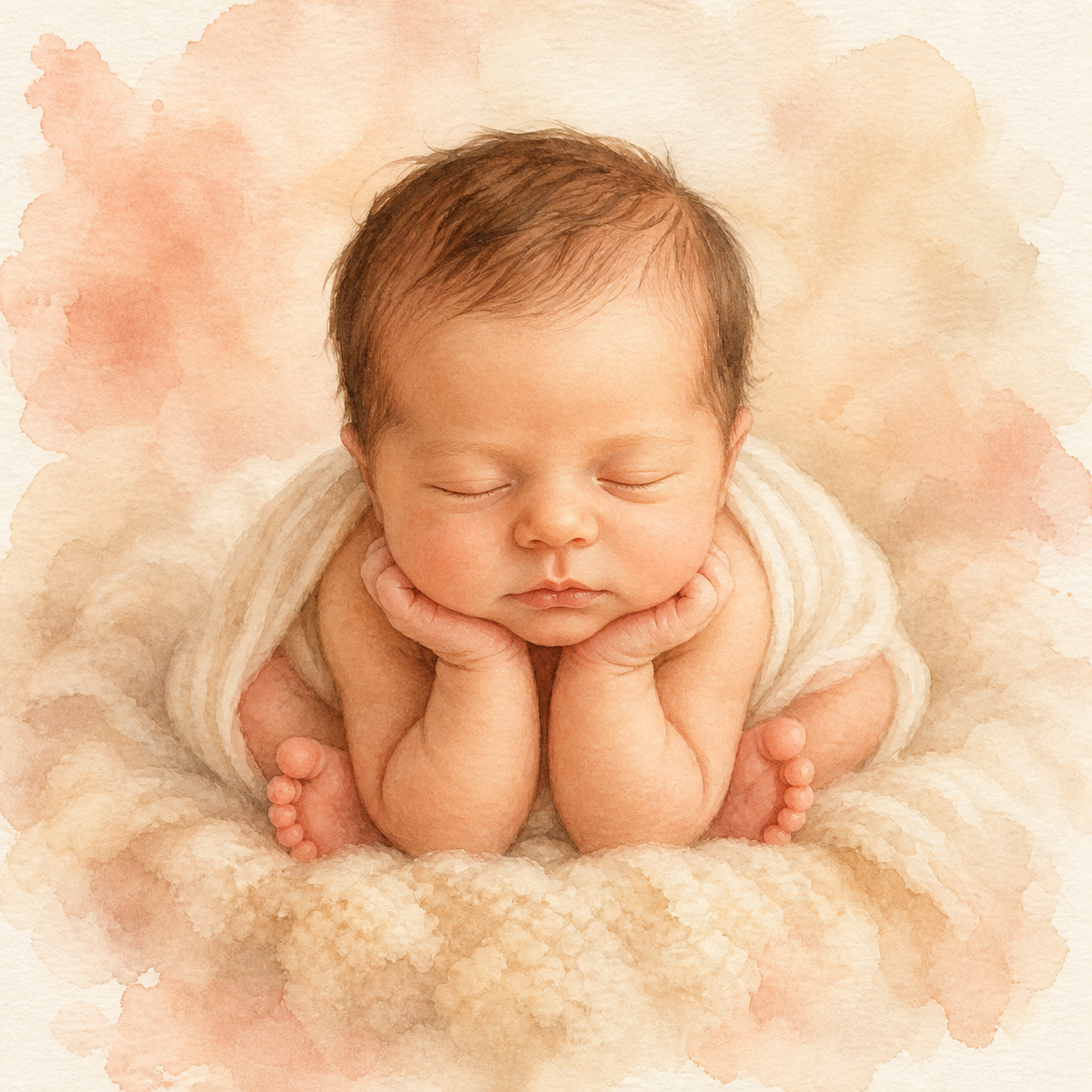
The froggy pose is a good example. In the finished image, it may look like the baby is holding their own head, but in a safe setup, the baby is supported and the final photo is usually created with careful editing.

The froggy pose is a good example. In the finished image, it may look like the baby is holding their own head, but in a safe setup, the baby is supported and the final photo is usually created with careful editing.
Prop setups also need care. Baskets, bowls, and small beds should be stable, supported, and used only when baby is comfortable. Sibling photos and parent holding shots need the same attention to head, neck, body position, and safety.
Safe newborn photography is not about avoiding every beautiful pose. It is about knowing which poses are suitable, which ones need support, and which ones should be skipped for a particular baby.
How Composite Images Help Keep Newborns Safe
Some newborn photos are created as composite images, which means two or more photos are blended together during editing.
This is often used for poses that look like a baby is balancing, holding their head, or resting in a position they could not safely hold on their own. In a safe setup, the baby is supported the whole time, and the supporting hand is removed later in editing.
A newborn should never be balanced unsupported — not even “just quickly.” Composite editing helps create certain polished images without putting pressure on the baby’s body.

Cleanliness, Warmth, and Studio Comfort
Safety is not only about posing. It is also about the space around the baby.
Newborns are sensitive to temperature, texture, sound, and handling, so the studio should feel clean, warm, calm, and ready before the session begins.
Fresh wraps, soft surfaces, gentle lighting, and a comfortable room temperature all help baby stay settled. The space should also allow time for feeding, changing, soothing, and parent comfort — without anyone feeling rushed.
Small things make a big difference:
-
Clean wraps and blankets
-
Warm, soft surfaces
-
Gentle lighting
-
Hand hygiene
-
Calm movement around the baby
-
Time for feeding and soothing
-
Space for parents to stay nearby
A newborn session should feel peaceful. Not silent and perfect — because newborns are tiny humans, not little porcelain dolls — but peaceful enough that everyone can slow down.
Simple Newborn Photography Safety Checklist for Parents
Here is a simple safety checklist to keep in mind before booking a newborn session:
-
Choose a photographer experienced with newborns
-
Ask how poses are supported
-
Make sure baby is never forced into a pose
-
Watch for a calm, patient session pace
-
Expect feeding, soothing, and changing breaks
-
Share any health or comfort concerns before the session
-
Keep baby’s temperature and breathing position in mind
-
Ask about composite images for advanced poses
-
Stay close if that helps you feel comfortable
-
Trust your instincts as a parent
You do not need to become a newborn posing expert. That is not your job.
But you should feel informed. You should feel welcome to ask questions. And you should feel that your baby’s comfort matters more than any single image.
Newborn Photography Guides
You may also find these guides helpful as you plan your session:

Timing
Learn More

Preparation
Learn More

Safety
Learn More

Cost
Learn More

Ideas
Learn More
Planning a Newborn Session?
Looking for a calm, baby-led newborn photography session in Port Moody? View our newborn photography page to learn more about the experience, packages, and what to expect.
Related Newborn Safety Articles
FAQs
Is newborn photography safe?
Yes, newborn photography can be safe when the photographer uses proper support, gentle posing, clean materials, and a baby-led pace. A newborn should never be forced into a pose or left unsupported. The baby’s comfort, breathing, temperature, and body position should always come first.
Are newborn poses safe for babies?
Many newborn poses can be safe when done carefully, but some require extra support or composite editing. If a baby is uncomfortable, unsettled, or not suited for a pose, the pose should be adjusted or skipped. Safe posing should always follow the baby’s needs.
What is a composite newborn photo?
A composite newborn photo is created by blending two or more images together during editing. This allows the baby to be supported during the session while still creating a polished final image. It is often used for poses that should not be done unsupported.
Should my baby ever be balanced in a pose?
No. A newborn should never be balanced unsupported. Poses that appear to show a baby holding themselves up or resting in a tricky position are usually created with support and editing. Safety should always come before the final look of the image.
What if my baby cries during the session?
Crying is normal. A safe newborn session allows time for feeding, soothing, changing, and cuddles. If baby needs a break, the session should slow down. Newborn photography should never feel like a rush to push through tears.
Can parents stay close during the newborn session?
Yes. Parents should feel comfortable, informed, and welcome during the session. Many parents stay nearby while baby is posed, wrapped, soothed, or photographed. If staying close helps you feel calm, that matters too.
Your Baby’s Comfort Comes First
Newborn photos should never feel rushed, forced, or stressful. The safest sessions are slow, gentle, and shaped around your baby’s needs.
Some babies love being wrapped. Some need extra cuddles. Some sleep deeply, and some want to peek at the world with bright little eyes. There is room for all of that.
If you are planning newborn photos and want to feel confident before booking, we would be happy to answer your questions.